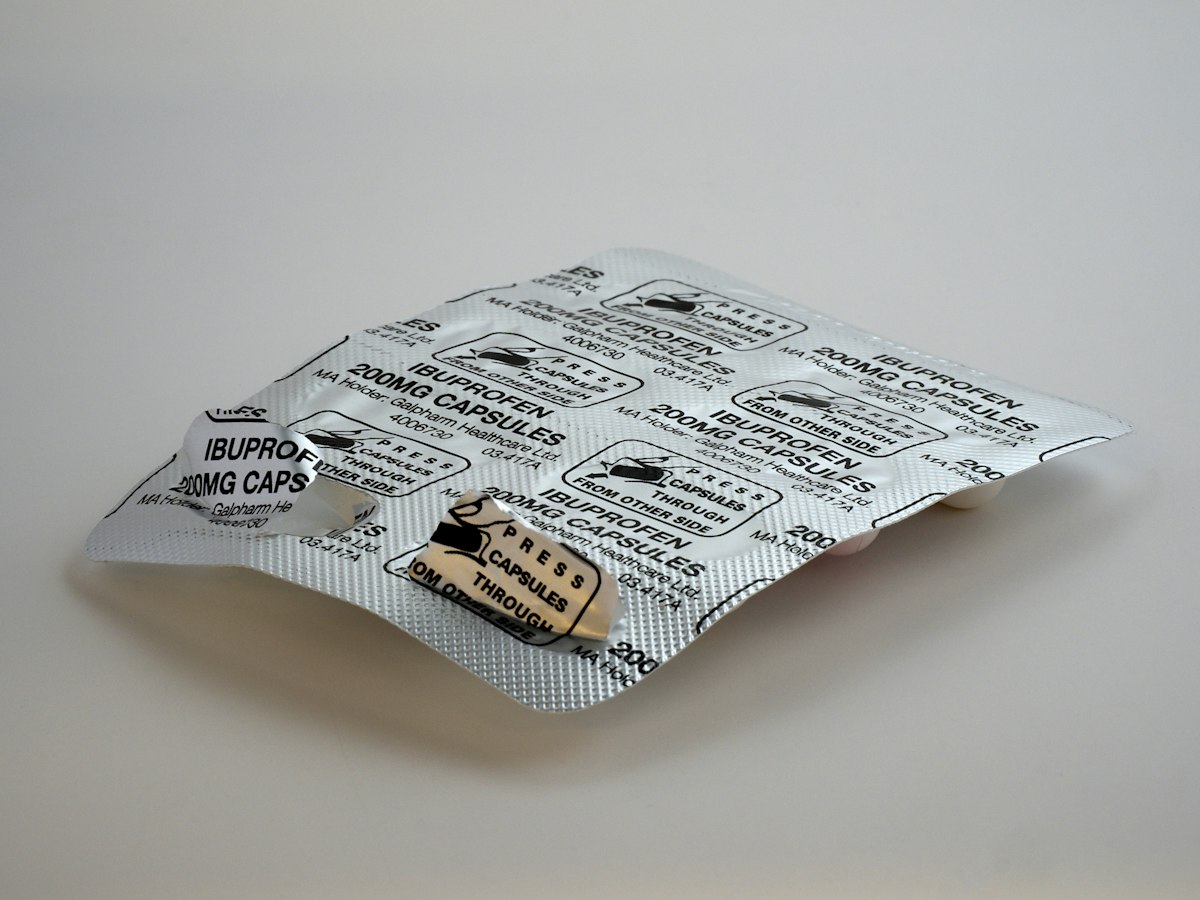
Walk into any pharmacy or health food store and you'll see an entire wall of supplements, each one promising to fill some gap in your nutrition, boost some aspect of your health, or slow some aspect of aging. The supplement industry is massive—billions of dollars in annual sales—and largely unregulated. The claims are often extravagant; the evidence is often thin; and the gap between marketing and science can be vast.
I've been asked countless times what supplements I take or recommend. My answer is always the same: it depends on your individual situation. There's no universal supplement regimen that makes sense for everyone over 50. Some supplements have strong evidence; others are essentially useless; still others may be helpful for specific individuals based on their diet, health status, or lab values.
Let me walk you through what the evidence actually shows, so you can have a more informed conversation with your doctor about what's right for you.
The Foundation: Food First
Before talking about supplements, it's worth remembering that supplements are meant to supplement—a word that literally means "to add to" something. They aren't substitutes for a healthy diet; they're additions to one. No supplement can replicate the complex matrix of nutrients, fiber, phytochemicals, and other compounds found in whole foods. If your diet is poor, the first step isn't to add supplements—it's to improve the diet.
That said, there are genuine situations where supplements make sense. Some people have medical conditions that affect nutrient absorption. Some people follow eating patterns (vegetarian, vegan, or restricted diets for other reasons) that may be low in certain nutrients. And as the body ages, some nutritional needs increase while the ability to absorb certain nutrients from food decreases.
Vitamin D: The Most Commonly Needed Supplement
Vitamin D is the supplement I'm most confident recommending for most people over 50. Deficiency is extremely common, especially in northern latitudes during winter months. Vitamin D is crucial for bone health (it helps you absorb calcium), immune function, muscle function, and potentially many other aspects of health.
The primary source of vitamin D is sunlight—your skin makes it when exposed to UV radiation. This is why deficiency is so common: we spend more time indoors, wear more clothing, use sunscreen (which blocks vitamin D production), and live in places with limited winter sun. Dietary sources (fatty fish, fortified foods) are often insufficient to maintain adequate levels.
Most adults over 50 would benefit from vitamin D supplementation, but the right dose depends on your current status. I'd recommend asking your doctor to test your vitamin D levels (a simple blood test) and then supplement based on the results. Many people need 1000-2000 IU daily to maintain adequate levels, but some need more.
Be careful with high-dose vitamin D supplementation without monitoring. While vitamin D toxicity is rare, very high doses can cause problems. More is not necessarily better.
Vitamin B12: Often Needed After 50
B12 deficiency is surprisingly common in older adults, and it can cause serious problems if left untreated—fatigue, anemia, neurological symptoms including cognitive impairment, and irreversible nerve damage. The reason for the age-related decline in B12 status isn't fully understood, but it appears related to changes in stomach acid that affect B12 absorption from food.
B12 from supplements or fortified foods doesn't require the same absorption process as B12 from food, which is why supplementation is an effective way to maintain adequate levels even when absorption from food is compromised.
If you're over 50 and don't eat meat or fortified foods regularly, a B12 supplement is probably warranted. Many people in this age group would benefit from a B12 supplement regardless of diet. The recommended intake for adults over 50 is 2.4 micrograms daily—easily obtained from any basic B12 supplement.
Sublingual B12 supplements (dissolved under the tongue) are sometimes marketed as superior, but research doesn't consistently support this claim. Regular oral supplements work fine for most people.
Omega-3 Fatty Acids: Worth Considering
Omega-3 fatty acids, particularly EPA and DHA found in fatty fish, have been extensively studied for their potential health benefits. The evidence is strongest for cardiovascular benefits—regular fish consumption is associated with lower rates of heart disease. The mechanism appears to involve anti-inflammatory effects, triglyceride reduction, and possibly other pathways.
Whether supplementation with fish oil (or algae oil for vegetarians) provides the same benefits as eating fish is less clear. Some studies show benefit; others show minimal effect. The most recent large trial (the VITAL trial) found that omega-3 supplementation reduced heart attacks but didn't significantly affect overall cardiovascular events or mortality.
My practical take: if you eat fatty fish (salmon, mackerel, sardines, herring) two to three times per week, you probably don't need supplementation. If you don't eat fish regularly, a supplement may be reasonable—though you should discuss it with your doctor, especially if you're on blood thinners or other medications.
Plant sources of omega-3s (ALA from flaxseed, chia seeds, walnuts) are not well-converted to the EPA and DHA that appear to provide the cardiovascular benefits, so they're not equivalent substitutes for fish or fish oil.
What Doesn't Have Strong Evidence
Many supplements marketed heavily to the over-50 crowd have surprisingly weak evidence behind them:
Glucosamine and chondroitin: Extensively studied for joint health and osteoarthritis. The evidence is mixed at best—some studies show minor benefit for pain, others show nothing. If you have joint pain, it's worth trying for a few months to see if it helps you, but don't expect much.
Calcium: The story is more complicated than supplement marketing suggests. While adequate calcium is essential for bone health, large trials of calcium supplementation have generally failed to show significant fracture reduction. Excessive calcium supplementation may even increase cardiovascular risk. The better approach is usually to get calcium from food (dairy, leafy greens, fortified foods) and ensure adequate vitamin D.
Antioxidant supplements (vitamin E, vitamin C, beta-carotene): These were heavily marketed based on the theory that antioxidant supplementation would reduce oxidative damage and slow aging. Large trials have consistently failed to show benefit and have sometimes shown harm. The complex biology of oxidative stress and antioxidants doesn't reduce to "more antioxidants = better."
Ginkgo biloba: Heavily marketed for memory support, despite consistent failure in well-designed trials. It doesn't work.
Coenzyme Q10: While the body makes CoQ10 and it plays important roles in cellular energy production, supplement trials have generally not shown clear benefit in healthy people. It may be worth considering for people on certain cholesterol-lowering medications (statins), which can reduce natural CoQ10 levels.
Be Skeptical of "Anti-Aging" Supplements
The anti-aging supplement market is enormous and largely based on wishful thinking rather than evidence. Resveratrol, NAD+ precursors, senolytic supplements, telomerase activators—the list goes on. While some of these compounds are being actively studied in research settings, none have demonstrated anti-aging benefits in humans. The biology of aging is far more complex than taking a pill can address.
If something sounds too good to be true—and "reverse aging" definitely qualifies—it almost certainly is.
Practical Recommendations
Here's my practical advice on supplements:
First, get your levels tested. A basic blood panel that includes vitamin D, B12, and possibly other markers can tell you what you might actually be deficient in. Supplementing blindly is less effective than targeting actual deficiencies.
Second, consider your diet. If you eat a varied, whole-food diet with regular fish, you may need fewer supplements than someone with a restricted diet or absorption problems.
Third, think about quality. The supplement industry is poorly regulated, and products vary enormously in quality. Look for supplements that have been independently verified by organizations like USP, NSF, or ConsumerLab. These symbols indicate that the product contains what the label says it contains and doesn't have significant contamination.
Fourth, be careful with supplement interactions. Some supplements can interact with medications or other supplements. Blood thinners, diabetes medications, and certain other drugs can have dangerous interactions with supplements. Always tell your doctor what you're taking.
Fifth, remember that no supplement replaces a healthy lifestyle. The evidence for diet, exercise, sleep, and stress management dwarfs the evidence for any supplement. Put your primary energy into those foundations.
Supplements have their place—they can address genuine deficiencies and provide insurance when diet falls short. But they're not magic bullets, and they're not a substitute for living well. Save your money on the extravagantly marketed products with thin evidence, and invest it instead in good food, regular movement, and meaningful connection.